Handheld Bio-Printer Prototype
Abstract
This research project developed a handheld bio-printer prototype capable of printing live cells using various bio-inks. The device can extrude up to four different bio-inks in both helical and standard structures, representing a significant advancement in tissue engineering and regenerative medicine by enabling precise in-situ bioprinting applications.
Methodology
The development process incorporated advanced engineering and biological techniques:
Design & Prototyping
- Conceptual design and requirements analysis for medical applications
- CAD modeling of components using SolidWorks
- 3D printing of prototype parts using biocompatible materials
Bio-Integration
- Development of multi-nozzle extrusion system
- Integration of precision dispensing mechanisms
- Testing with various bio-ink formulations
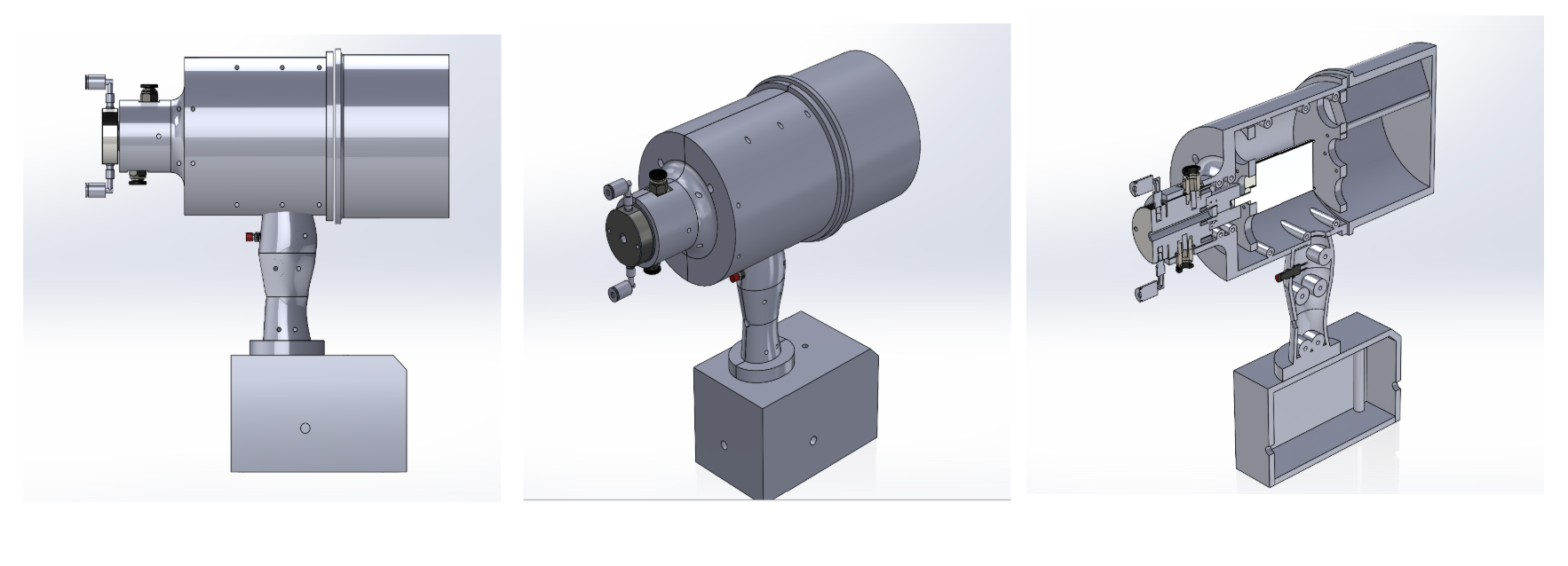
The compact, user-friendly form factor enables precise in-situ bioprinting applications
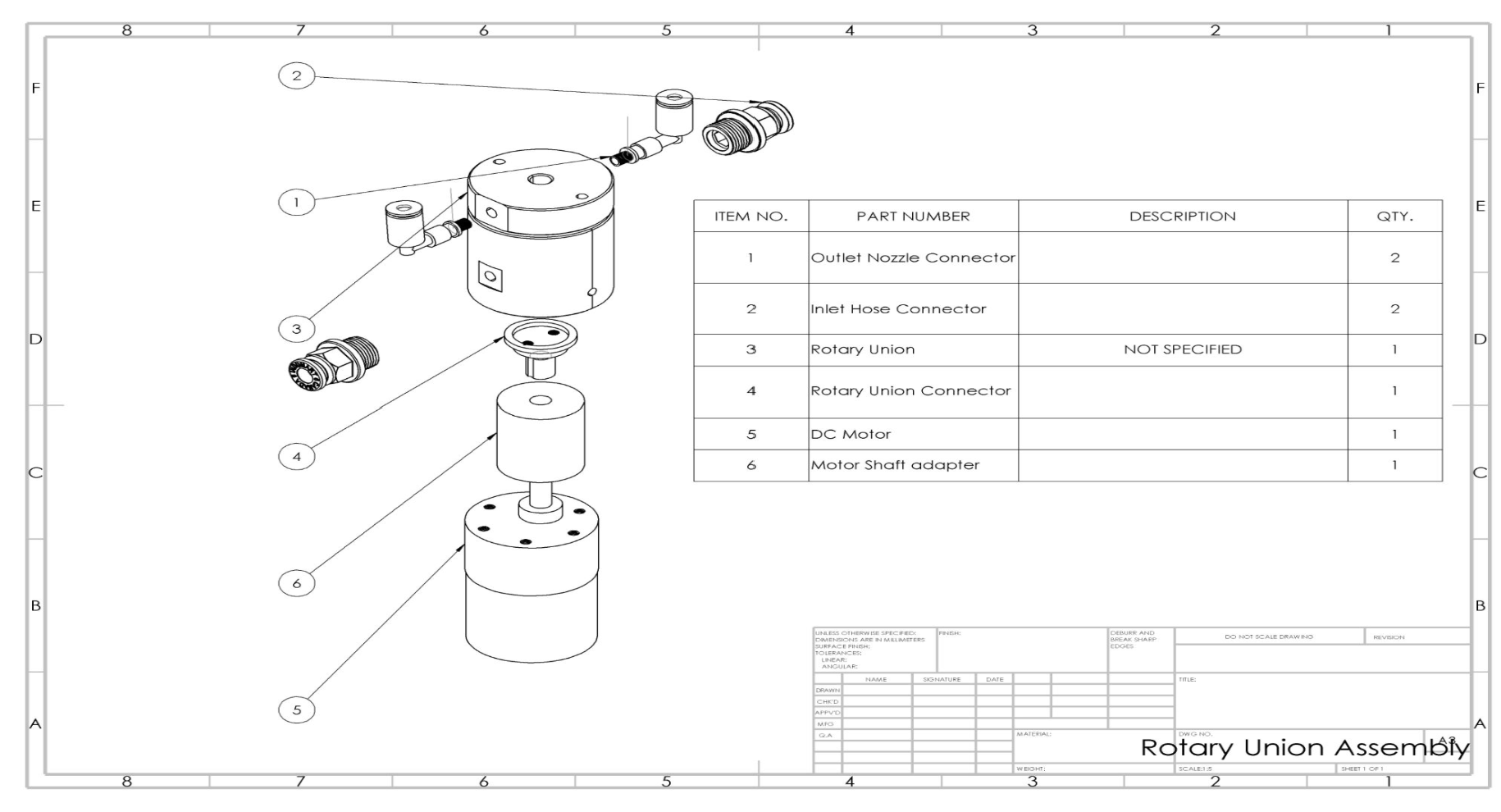
Advanced mechanism allowing simultaneous printing with up to four different bio-inks
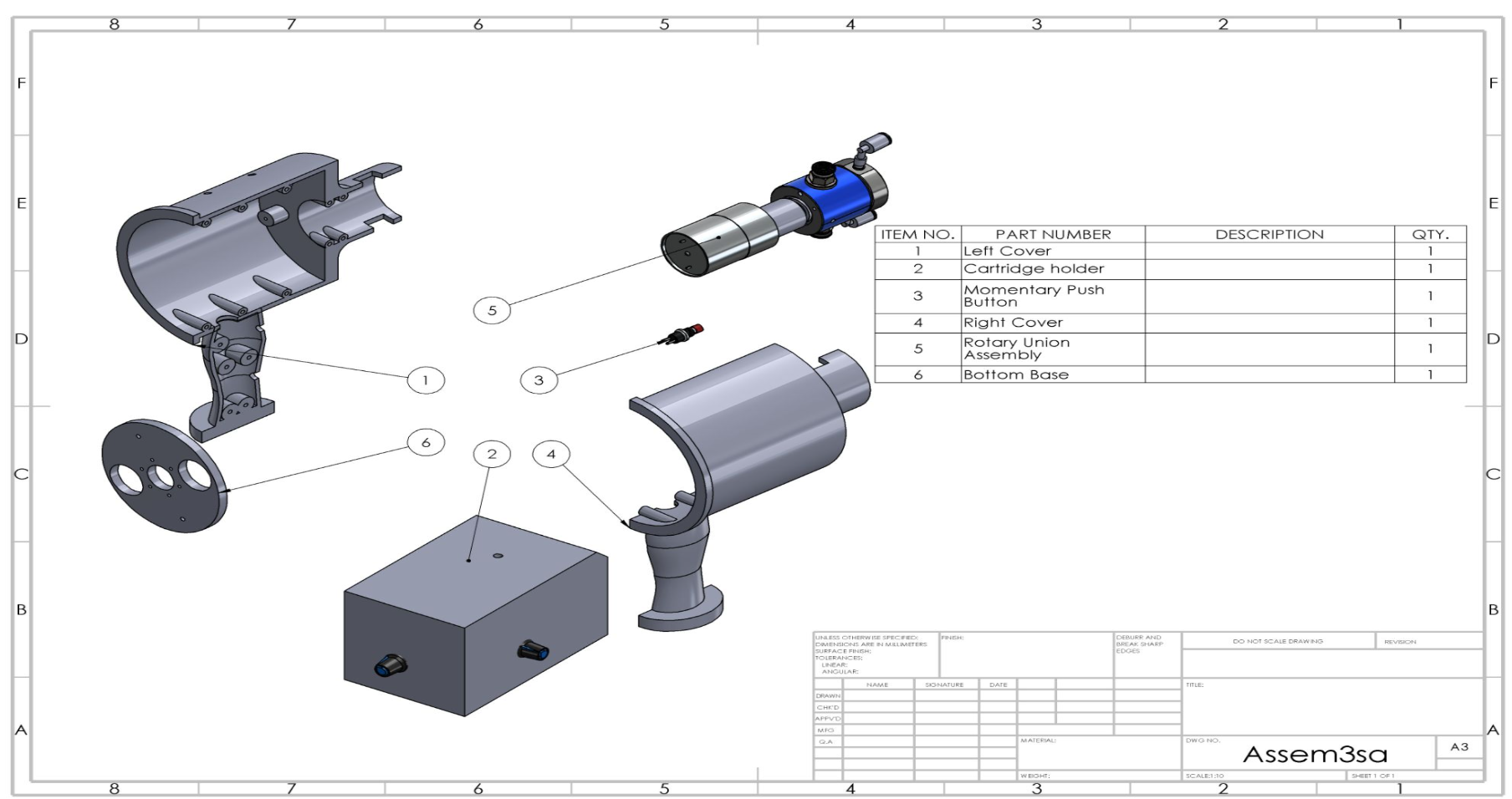
Precision-engineered components working in harmony for reliable cell deposition
Key Innovations
Multi-Bio-Ink Capability
Simultaneous printing with up to four different bio-inks enables complex tissue structure creation
Helical Structures
Unique capability to print helical patterns, mimicking natural tissue architectures
Ergonomic Design
Handheld form factor allows for direct in-situ printing during surgical procedures
Impact and Future Directions
This prototype represents a significant advancement in bioprinting technology with wide-ranging applications:
Surgical Applications
Potential for direct tissue repair during operations
Research Advancements
Enables new tissue engineering research methodologies
Drug Testing
Facilitates creation of complex tissue models for pharmaceutical testing
Future Enhancements
- Temperature-controlled bio-ink reservoirs for sensitive cell types
- Integrated UV crosslinking system for instant hydrogel solidification
- AI-assisted printing path optimization
- Wireless control and monitoring interface
Conclusion
The handheld bio-printer prototype represents a transformative approach to bioprinting, combining precision engineering with biological innovation. Its ability to create complex, multi-material tissue structures in situ opens new possibilities for regenerative medicine, surgical applications, and pharmaceutical research. Future development will focus on enhancing its capabilities while maintaining the portable, user-friendly design that makes it uniquely valuable in both clinical and research settings.